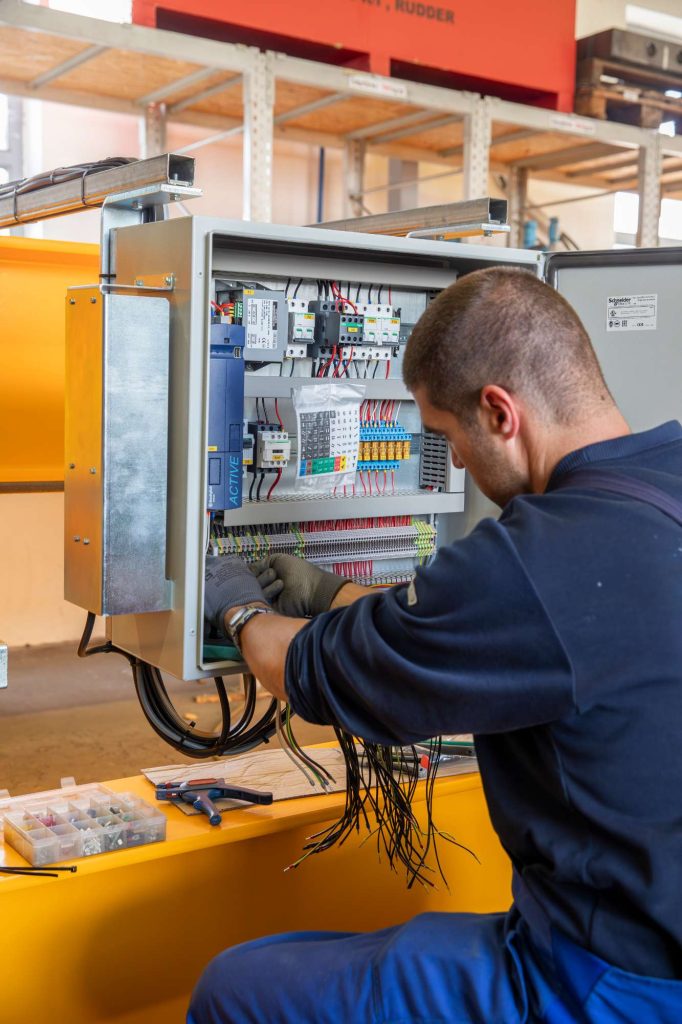
Periodic inspection of lifting machines and cranes
Technical inspection of lifting machines and cranes
The operational safety of lifting machines and cranes depends not only on the condition of the equipment, but also on regular and professional inspections. Continuous use, the operating environment and weather effects can cause changes that may go unnoticed without proper inspection.
GD Gép és Daru carries out technical inspections building on practical crane operation and service experience, taking the applicable regulations into account.
The role of inspections in safe operation
The structural and safety components of cranes, lifting machines and load-handling devices are subject to continuous load during use. Wear, loosening or natural deterioration can, over time, reduce the equipment's safety margins and its availability.
- a realistic assessment of the technical condition
- identifying hidden risks
- preventing unexpected failures
- meeting occupational safety and regulatory requirements
Carrying out inspections professionally and on time is in the shared interest of the operator and the inspector or maintenance provider.
Regulatory and legal background
The inspection and documentation of lifting machines is governed by occupational safety and technical regulations. These define at what intervals and to what extent a given piece of equipment must be inspected.
GD Gép és Daru carries out inspections based on the laws and standards in force at any given time, ensuring compliance even in the case of official inspections.
Legal background:
- Act XCIII of 1993 on occupational safety
- NFGM Decree 16/2008 (VIII. 30.) – on the safety requirements and conformity certification of machinery
- GM Decree 47/1999 (VIII. 4.) – Lifting Machine Safety Regulation
For which equipment do we carry out inspections?
Our inspection activities cover, among others, the following tools and equipment:
- industrial cranes and overhead cranes
- lifting equipment, dock levelers, lift tables, load-handling units, roller conveyors
- forklifts
- electric and mechanical hoists
- load-handling devices and accessories
We undertake inspections regardless of manufacturer and type.
The main areas of inspection
During technical inspections we examine several critical points of the lifting machines:
- condition of load-bearing and moving structures
- ropes, chains and fastenings
- operation of safety devices
- operation of electrical units
- signs of wear, deformation or damage
- existence of documentation and records
The aim of the inspections is not only to record faults, but also to define repair and maintenance tasks and improvement opportunities.
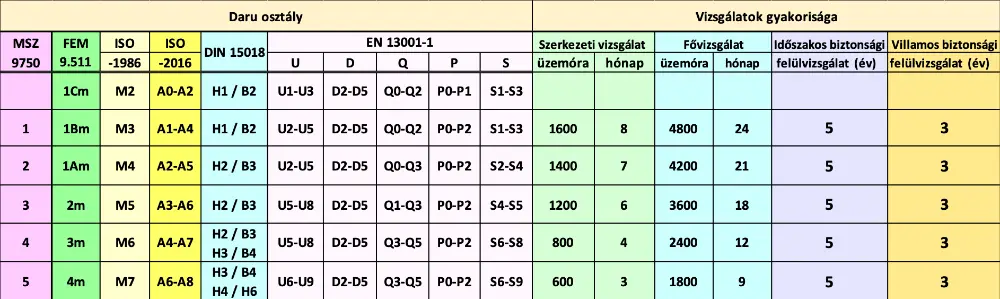
Scheduling and frequency of inspections
The frequency of inspections is determined by the operating characteristics and conditions of use of the lifting machine. If the load, working environment or manner of use of the equipment changes, the inspection schedule must be reviewed.
Documentation and records
A written report is prepared on every inspection carried out. The documentation:
- certifies that the inspections have taken place
- can be presented during official inspections
- proves the appropriate procedure during partner audits
- provides a basis for defining further maintenance tasks and improvement opportunities
Using our electronic records, we undertake the scheduling of the periodic inspections of lifting machines and equipment required by standards, their expert execution and the preparation of the relevant documentation for our contracted partners.
Why GD Gép és Daru?
- more than 30 years of practical experience in crane and lifting machine manufacturing and service
- lifting machine expert background
- fast response and flexible scheduling
- efficient, professional and cost-effective solutions for eliminating the identified deficiencies
During inspections we do not merely check compliance, but assess the true technical condition.
Contact and quote request
Would you like to arrange the technical inspection of your lifting machine or crane? Get in touch with us and we will help you determine the necessary inspections.